ESE entrance and a son's health
What does an East-South-East zone at 112° mean for health?
East-South-East, at 112°, is the zone of churning and anxiety, governed by Venus. It suits activity that processes things, such as a washer, and not anything that should be still.
Answered by Gurmeet Singh, Vastu practitioner since 2020 · updated
No floor plan attached
What do these zones govern?
East-Southeast (ESE)
When balanced, ESE supports analytical thought, music as stress relief, and the productive use of focused worry to think problems through.
Unexplained anxiety and restlessness are traced to sleeping in ESE. A toilet here causes disturbed sleep and eventual hypertension.
Remedy: Light an oil lamp in front of Hanuman every Tuesday. Keep musical instruments here to convert anxious energy into focus.
The East-Southeast zone in the Vastu guide →What does the Vastu library say?
How a zone gets its attribute
Each zone's signature quality is the overlap of its core element and the qualities of the two neighbouring zones.
A zone does not invent its attribute in isolation. It is composed from three things: the core element of its position, the quality of the adjacent zone clockwise, and the quality of the adjacent zone counter-clockwise. The south-west, for example, governs skill and relationships — but only because the south-south-west next door governs disposal (letting go) and the west-south-west on the other side governs education. Skill, the book argues, *is* knowledge plus the ability to let go of the unnecessary. The same three-way composition explains why the east-south-east (between east's social joy and south-east's fire) becomes the zone of anxiety and analysis — the grinding in-between where emotion meets heat.
Read it in the Vastu library →Bedroom placement — the two rules that matter
The bedroom is for two things: sleep, and the intimacy that sustains a relationship. Pick a zone that supports both.
A bedroom has two jobs: it must let you sleep, and it must support the intimacy that sustains the relationship sleeping there. Choose a zone that undermines either one and the bedroom will silently work against its occupants. Zones that support relaxation include the south, SSE, SW, and W. Zones that actively fight relaxation include the NE (where the mind keeps waking up to chase clarity), the ESE (where analysis and anxiety keep the mind grinding), the SSW (which drains vitality through the disposal field), and the WNW (which pulls low moods in). The other directive, applicable in any room: sleep with the head pointing either south or east — south for those focused on earning, east for those in study or seeking wisdom.
Read it in the Vastu library →Activity relocation — the ideal remedy
When possible, the cleanest fix is to move the activity to a zone that actually supports it.
Every Vastu problem has the same cleanest fix: move the activity to the zone that supports it. A kitchen in the NE, where fire disturbs water, is remedied by moving the kitchen to the SE where fire belongs. A toilet in the SW is remedied by moving it to the SSW or WNW, where disposal belongs. Activity relocation is the gold standard because it attacks the root cause instead of masking symptoms. The realistic limitation is that, in perhaps 80% of flats and apartments, load-bearing walls and plumbing make relocation impossible. That is why the other 15 techniques exist — but when relocation *is* possible, it is always preferable to an overlay remedy.
Read it in the Vastu library →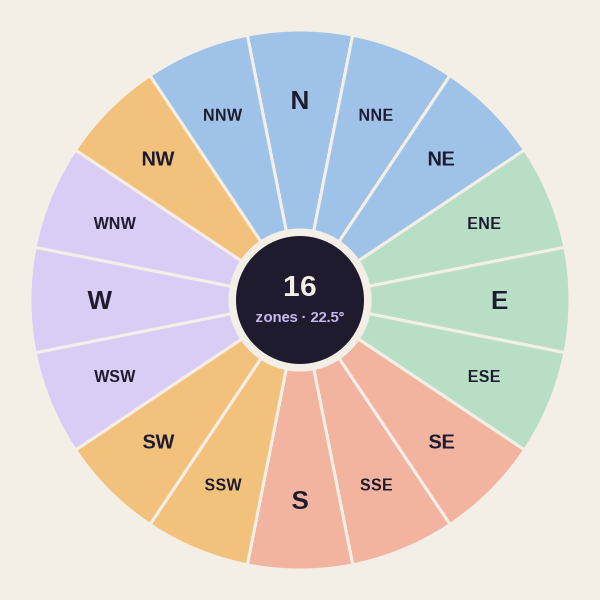
Sources
Classical texts: Mayamata of Mayamuni and Manasara on Architecture and Sculpture. True north for your plan: NOAA magnetic declination calculator.
Replies (2)